Navigating Nepal's Current Climate: UK Government Travel Advice on Curfews & Safety Risks
Nepal, a land renowned for its breathtaking Himalayan landscapes, rich spiritual heritage, and vibrant culture, attracts thousands of British travellers each year. However, recent developments have prompted the UK’s Foreign, Commonwealth & Development Office (FCDO) to issue updated guidance, highlighting significant safety concerns for those planning to visit or currently in the country. British nationals are strongly advised to pay close attention to the latest
Uk Government Travel Advice regarding ongoing protests, safety risks, and the introduction of curfews.
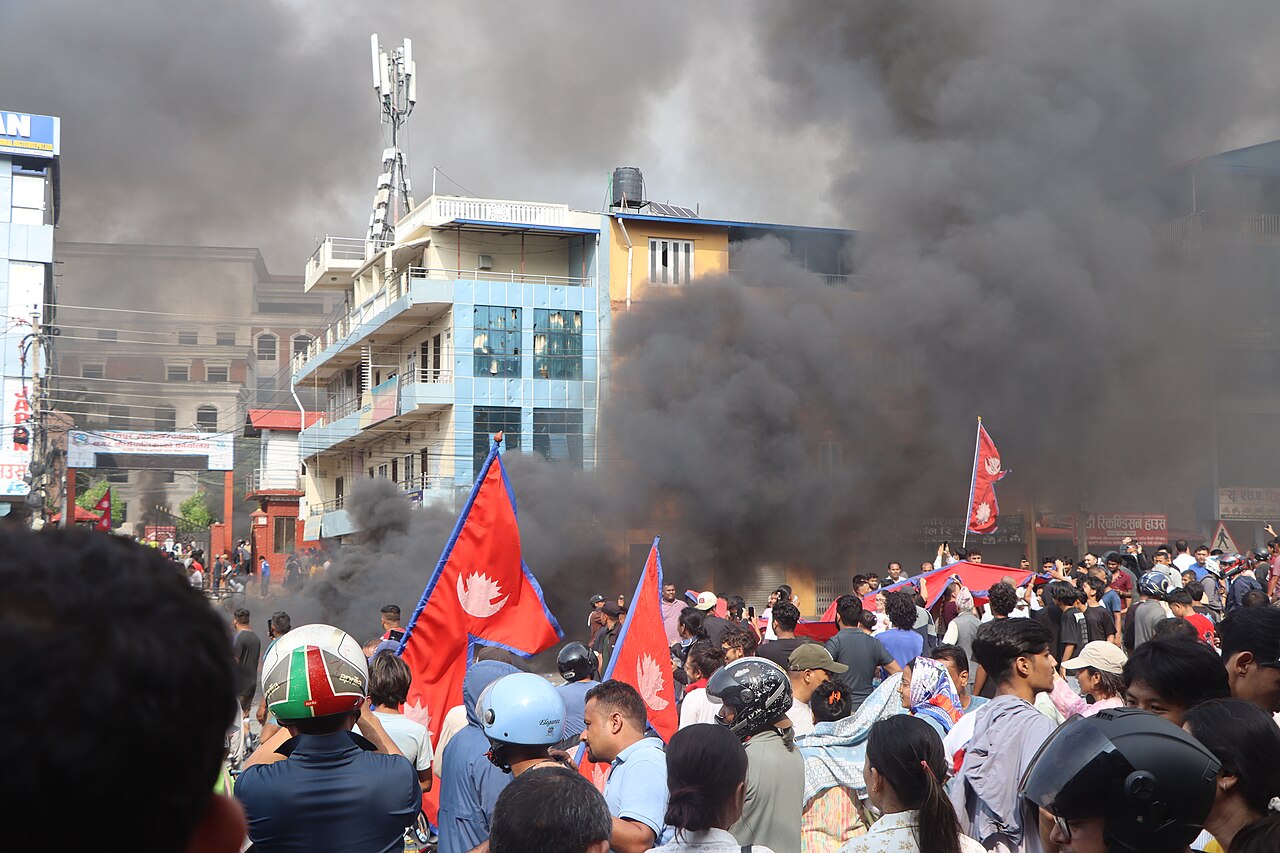
The FCDO has confirmed a disturbing escalation in civil unrest, with protests erupting not only in the capital, Kathmandu, but also in various other cities across Nepal. These demonstrations have unfortunately turned violent, with reports of clashes where authorities have deployed lethal force. Such confrontations have led to a regrettable number of deaths and injuries, underscoring the serious dangers present. For anyone travelling to Nepal, understanding and adhering to this critical
Uk Government Travel Advice is paramount for personal safety.
A key concern highlighted by the FCDO is the imposition of curfews in several major urban centres, including popular tourist destinations like Kathmandu and Pokhara. These curfews restrict movement during specified hours and are enforced strictly. Travellers caught outside during these periods without valid reason or proof of travel could face significant difficulties. The FCDO's clear directive is to *avoid all protests*, to *monitor local media diligently for updates*, and to *comply immediately with the instructions of local authorities*.
Furthermore, the situation has also impacted travel infrastructure. Kathmandu Airport, a primary gateway for international and domestic flights, has experienced disruptions. This can lead to unforeseen delays or cancellations, affecting both inbound and outbound journeys. The FCDO advises British nationals to contact their airline, hotel, and tour operator *before* travel to obtain the most up-to-date information regarding their bookings. For those needing to travel to or from airports during periods of disruption or curfew, having clear proof of travel (such as flight tickets or hotel reservations) is essential to facilitate movement past checkpoints.
Broader Context: How UK Travel Advice Responds to Global Unrest
While the specific advisories for Nepal are critical, it's important to understand these within the broader framework of how the FCDO issues
Uk Government Travel Advice in response to global events. The FCDO continuously monitors geopolitical situations worldwide, updating its guidance to ensure British nationals are aware of potential risks. A recent, significant example of this proactive approach involves heightened warnings for the Middle East and North Africa region.
The UK government recently updated its travel advisory, cautioning against non-essential travel to numerous countries in the Middle East due to escalating conflicts, including a rise in hostilities between Israel and Iran. This regional instability underscores a critical principle: disregarding official
Uk Government Travel Advice can have serious consequences beyond immediate personal risk. One of the most significant implications is on travel insurance. Many policies become invalid or offer significantly reduced coverage if you travel against FCDO advice, leaving you financially exposed in an emergency.
With tensions mounting rapidly in certain regions, the FCDO has urged travellers to maintain heightened vigilance, stay informed through official channels, and adhere strictly to local guidance if they are currently in or contemplating a visit to any impacted areas. The situation in these regions is described as highly volatile, prone to rapid changes that could leave travellers stranded or in harm's way. This broader context highlights the FCDO’s overarching mandate: to provide timely, accurate information to help British citizens make informed decisions and prioritise their safety. For specific details on these heightened warnings, you can refer to our article:
UK FCDO Warns Against All Travel to Iran, Iraq, Israel.
Understanding FCDO Travel Advisory Levels: Essential vs. All Travel
The
Uk Government Travel Advice isn't a one-size-fits-all declaration; it operates on a nuanced system of advisory levels, each carrying distinct implications for travellers. Understanding these distinctions is crucial for interpreting the FCDO's guidance effectively and making responsible travel decisions. The two primary categories often encountered are "advise against all but essential travel" and "advise against all travel."
When the FCDO "advises against all travel" to a specific country or region, it means the risks are so severe and widespread that *no* travel is recommended for any purpose. This level of warning often indicates extreme instability, active conflict, widespread terrorism, or a complete breakdown of law and order. Countries falling into this category typically present immediate and life-threatening dangers to foreign nationals. Examples from recent advisories, reflecting severe regional conflicts, include Iran, Iraq, and Israel, where ongoing hostilities make any visit perilous. For Afghanistan, a long-standing "advise against all travel" warning reflects persistent extreme dangers.
In contrast, "advise against all but essential travel" suggests a slightly lower, though still significant, level of risk. In such scenarios, the FCDO acknowledges that there might be compelling reasons for individuals to travel, such as urgent family matters, critical business engagements, or humanitarian work. However, tourist and recreational travel is explicitly discouraged. This category often applies to areas experiencing significant political unrest, a high threat of terrorism, or regions where public services might be severely disrupted. Parts of Armenia, Azerbaijan, Egypt, and Jordan have recently seen this type of advisory, indicating areas where caution is paramount and a high degree of personal risk assessment is required. Our detailed explanation of what these categories mean can be found here:
UK Travel Warnings: What 'All But Essential' Means for You.
Crucially, the implications of these advisory levels extend beyond mere recommendations. As mentioned, travel insurance policies often become void if you disregard an FCDO warning, particularly if you travel to a destination for which "all travel" or "all but essential travel" is advised against. Furthermore, in severe crises, the British government's ability to provide consular assistance, including evacuation, can be severely limited in areas where it has advised against travel. This makes understanding and heeding
Uk Government Travel Advice not just a suggestion, but a fundamental part of responsible and safe international travel.
Practical Steps for British Travellers Amidst Global Unrest
Given the dynamic nature of international safety and the detailed guidance offered by the
Uk Government Travel Advice, British nationals have a clear responsibility to prepare thoroughly before and during any overseas journey.
Before You Go:
*
Check FCDO Advice Regularly: The FCDO website (gov.uk/foreign-travel-advice) is your primary, most reliable source of information. Conditions can change rapidly, so check it before booking, again before departure, and even periodically during your trip.
*
Secure Comprehensive Travel Insurance: Always purchase robust travel insurance, and crucially, *read the fine print*. Confirm it covers medical emergencies, repatriation, and any specific activities you plan. Ensure it remains valid even if FCDO advice changes *after* you've booked but *before* or *during* your trip. Be aware that most policies will not cover incidents arising from travel against FCDO advice.
*
Register Your Travel: If available for your destination, consider registering your travel details with the FCDO's 'Locate' service. This allows the FCDO to contact you in an emergency or crisis.
*
Have Contingency Plans: Think about what you would do if flights are cancelled, borders close, or civil unrest erupts. Have extra funds, copies of important documents (physical and digital), and a list of emergency contacts.
While You're There:
*
Stay Informed Locally: Beyond the FCDO, follow reputable local news sources, listen to hotel staff, and engage with trusted local contacts for real-time updates on curfews, demonstrations, or other safety concerns.
*
Maintain a Low Profile: In areas of unrest, avoid drawing attention to yourself. Dress modestly, avoid displaying overt signs of wealth, and try to blend in.
*
Know Your Embassy/Consulate: Familiarise yourself with the location and contact details of the nearest British Embassy or Consulate. Understand what consular assistance they can realistically offer.
*
Respect Local Laws and Customs: Adherence to local regulations and cultural norms can prevent unintended conflicts or legal issues, especially in sensitive political climates.
*
Keep Loved Ones Informed: Regularly update family or friends back home on your whereabouts and safety.
Conclusion
The current situation in Nepal, marked by protests and curfews, along with the broader geopolitical tensions in regions like the Middle East, serves as a stark reminder of the unpredictable nature of international travel. The
Uk Government Travel Advice, issued by the FCDO, is an indispensable resource designed to protect British nationals. By diligently monitoring these advisories, understanding the nuances of different warning levels, and implementing proactive safety measures, travellers can significantly mitigate risks. Prioritising personal safety, making informed decisions, and adhering to official guidance are not merely recommendations; they are essential responsibilities for every British citizen venturing abroad. Always remember that your safety is paramount, and preparation is the key to navigating the complexities of global travel.